Bathroom tiles are more than decorative surfaces; they protect walls, floors, and fittings while defining the look and feel of a bathroom. From moisture resistance to ease of cleaning, choosing the right tile affects long-term maintenance and home value.
Types of bathroom tiles
Ceramic tiles
Ceramic tiles are affordable, versatile, and easy to cut. They are made from red or white clay fired at low to mid temperatures and glazed for color and protection. Ideal for walls and light-traffic floors, ceramic tiles offer wide design options and are forgiving for DIY installations.
Porcelain tiles
Porcelain tiles are dense and low-porosity, suitable for floors and showers. They resist moisture and stains better than standard ceramic, making them a popular choice for high-humidity bathrooms. They come in a variety of looks, from stone to ceramic visuals.
Natural stone tiles
Natural stone, including marble, travertine, and slate, delivers a premium, unique look. They require sealing and ongoing maintenance to protect against moisture and staining. Stone tiles can add upscale charm but may have higher long-term costs and maintenance.
Glass and cement tiles
Glass tiles reflect light and create a sense of space, often used as accents or backsplashes. Cement tiles bring bold patterns and color, but they may require sealing and periodic maintenance to prevent staining.
Finishes, sizes and patterns
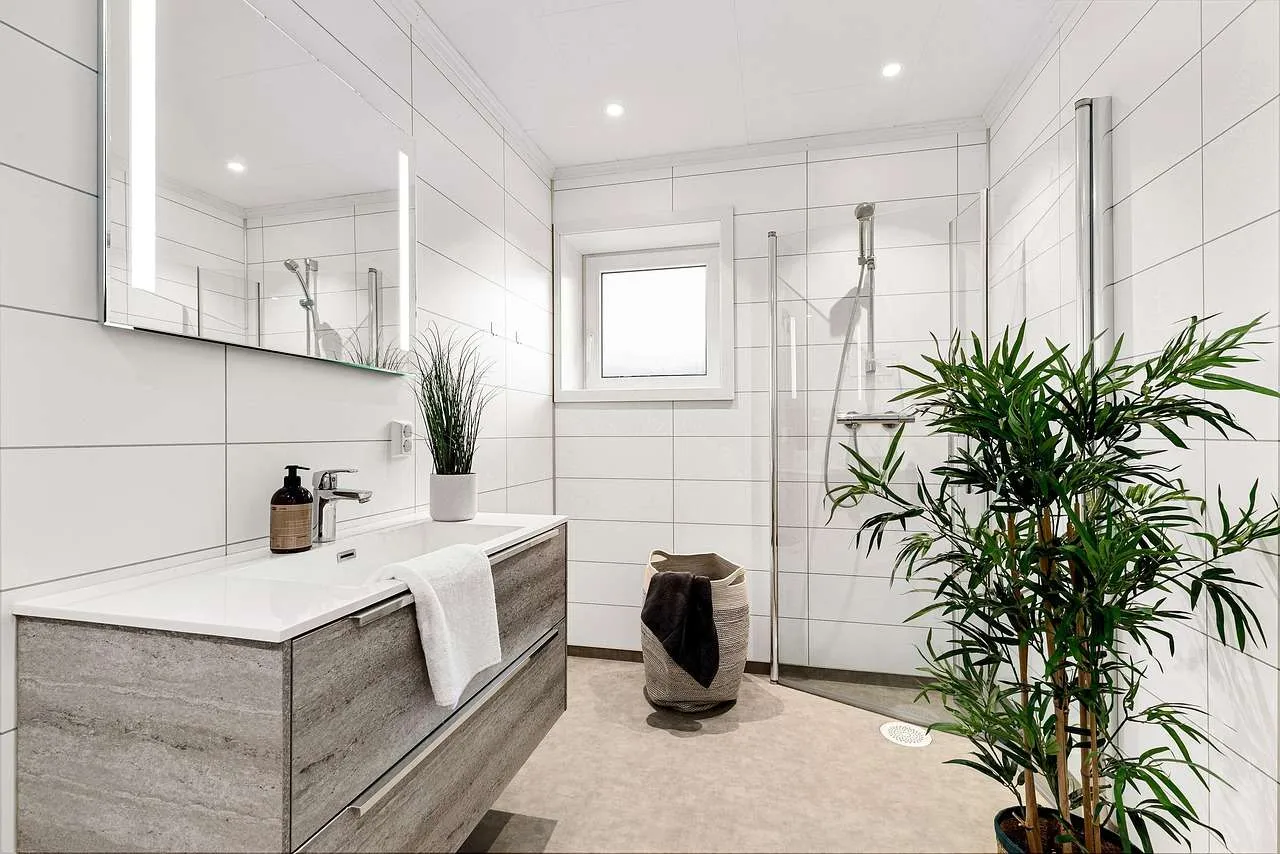
Finish options influence slip resistance and cleaning. Matte finishes hide water marks, while gloss finishes are easier to wipe. Large-format tiles reduce grout lines, while mosaics add detail in showers and borders. Consider body- sized tiles for floors and smaller formats for niches or accent walls.
Installation and maintenance basics
Preparation and waterproofing
Proper surface prep and waterproofing are essential in wet areas. A waterproof membrane behind tile and quality grout help prevent leaks and mold. Always follow local building codes and hire a licensed installer for showers or wet rooms.
Grout and sealing
Choose grout that matches the tile and room usage. Epoxy grout offers durability and stain resistance in wet areas, while cementitious grout is common and easier to repair. Sealing natural stone and certain cement tiles helps maintain appearance and longevity.
Design ideas and buying guide
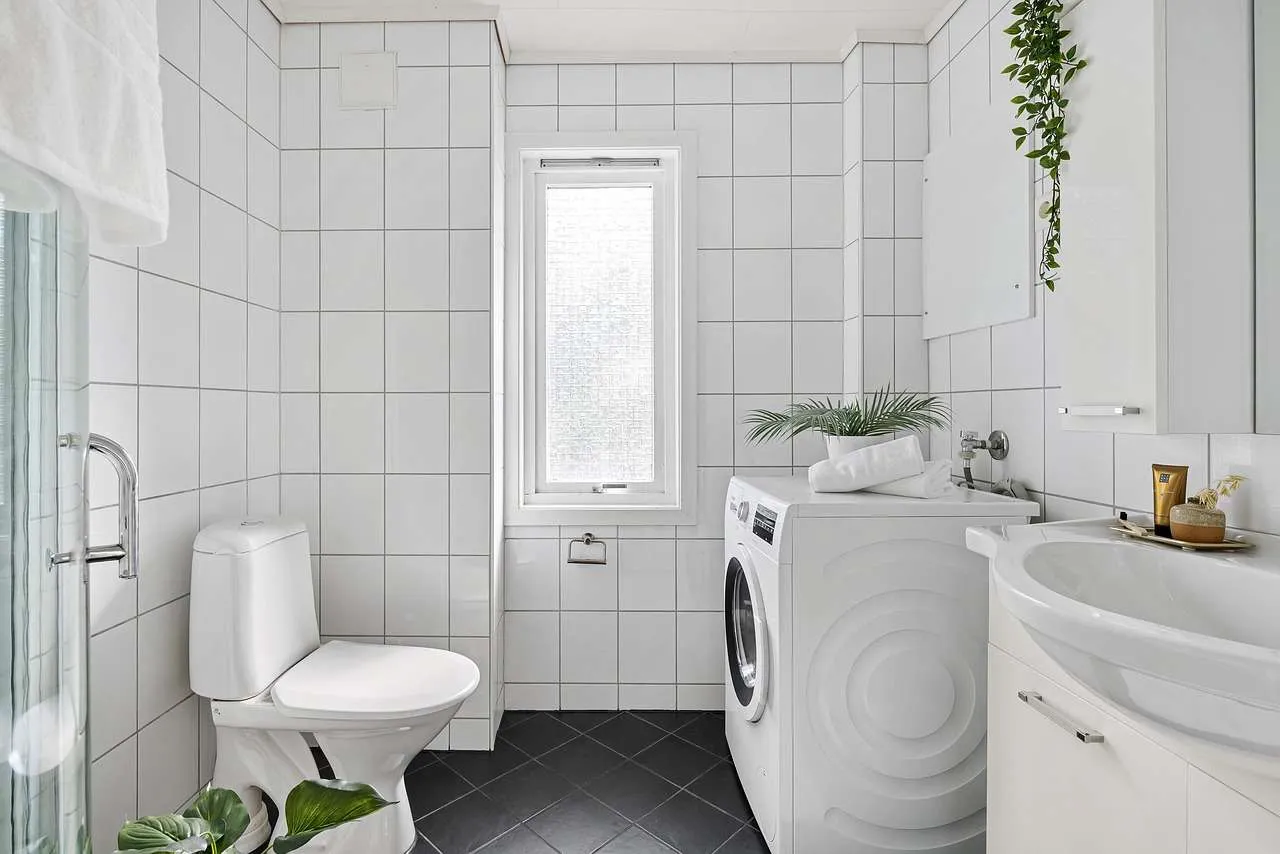
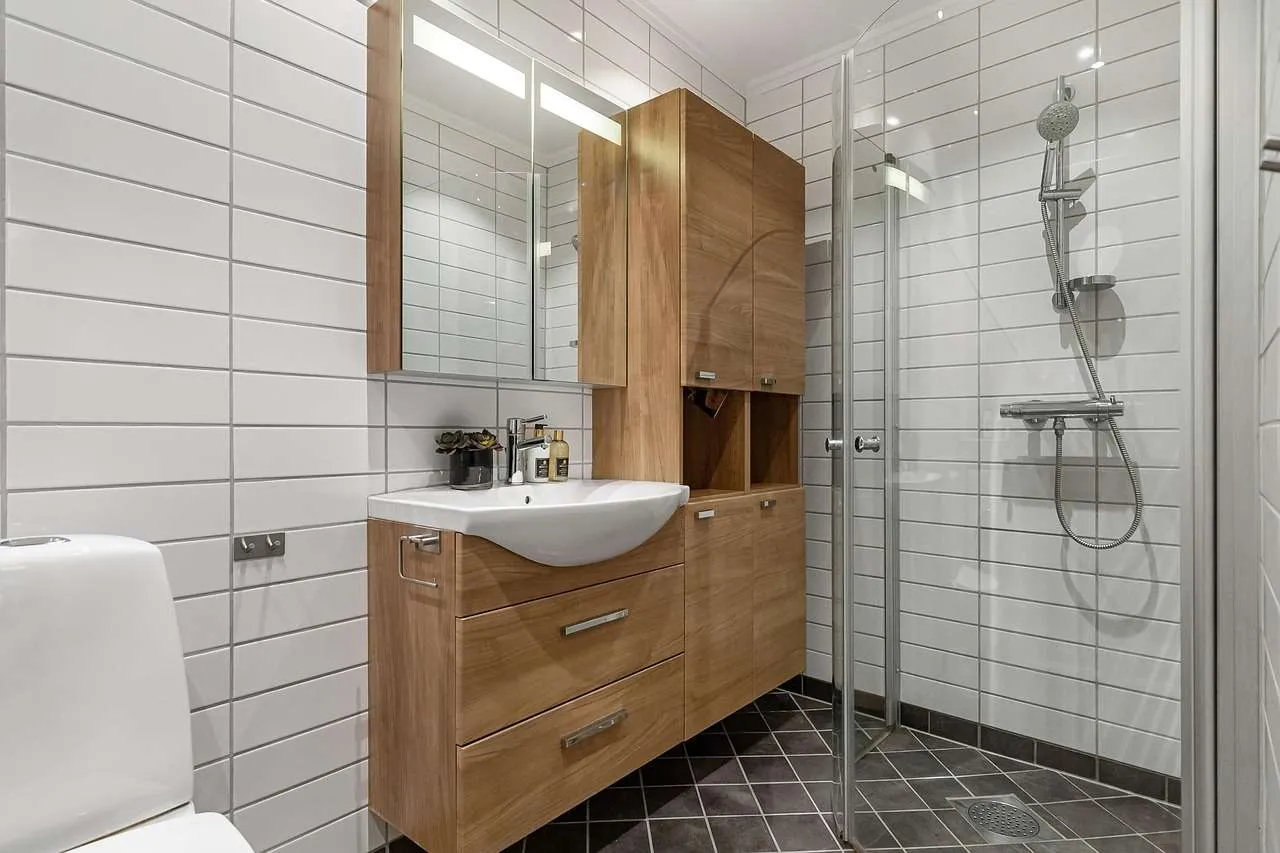
Combine color palettes with tile materials to achieve the desired mood. For small bathrooms, large-format porcelain in light tones can visually expand the space. Use a contrasting grout to emphasize tile patterns or opt for a seamless look with matching grout.
Comparison of common bathroom tile types
| Tile Type | Typical Cost / sq ft | Water Absorption | Durability | Maintenance | Best For |
|---|---|---|---|---|---|
| Ceramic | $1–$5 | Medium | Moderate | Low to moderate | Walls, low-traffic floors |
| Porcelain | $2–$7 | Low | High | Low | Floors, showers |
| Natural stone | $5–$25 | Varies | Variable | Sealing needed | Accent, luxury rooms |
| Glass | $7–$30 | Low | Moderate | High for tiles, easy to clean | Backsplashes, accents |
| Cement | $6–$20 | Low | Moderate to high | Sealing required | Bold patterns, floors |
Care tips to extend tile life
Regular sweeping and gentle cleaning with pH-neutral products prevent buildup and preserve color. Avoid harsh chemicals that can etch grout and dull surfaces. Reseal natural stone periodically and repair cracked tiles promptly to prevent water intrusion.
Conclusion, selecting bathroom tiles involves balancing aesthetics with practicality. Practical types like porcelain and ceramic suit most walls and floors, while stone adds luxury with proper sealing. Finishes and sizes influence maintenance and the perception of space, and a good installation with waterproofing safeguards against moisture. A thoughtful plan combining tile type, layout, and care guidance yields a durable, stylish bathroom that lasts for years.